


Daily Crypto News | Wednesday, November 11, 2026
Bitcoin continues struggling around $74,000, Ethereum has slipped toward $2,000, and Zcash just suffered one of the biggest sell-offs in the cryptocurrency market.
Meanwhile, October’s inflation report shows consumer prices rising at an annual rate of 4%, according to the figures discussed in today’s episode. That’s raising fresh questions about Federal Reserve policy, borrowing costs, and whether the economy can withstand another round of financial pressure.
Nvidia continues dealing with controversy surrounding CEO Jensen Huang, Anthropic is reportedly preparing for a massive public offering, and cryptocurrency companies are facing another wave of security breaches.
But first, I want to talk about something bigger than Bitcoin: Why does the economy look good on paper while so many Americans feel like everything is getting worse?
1. Inflation Reaches 4% as Federal Reserve Faces Another Difficult Decision
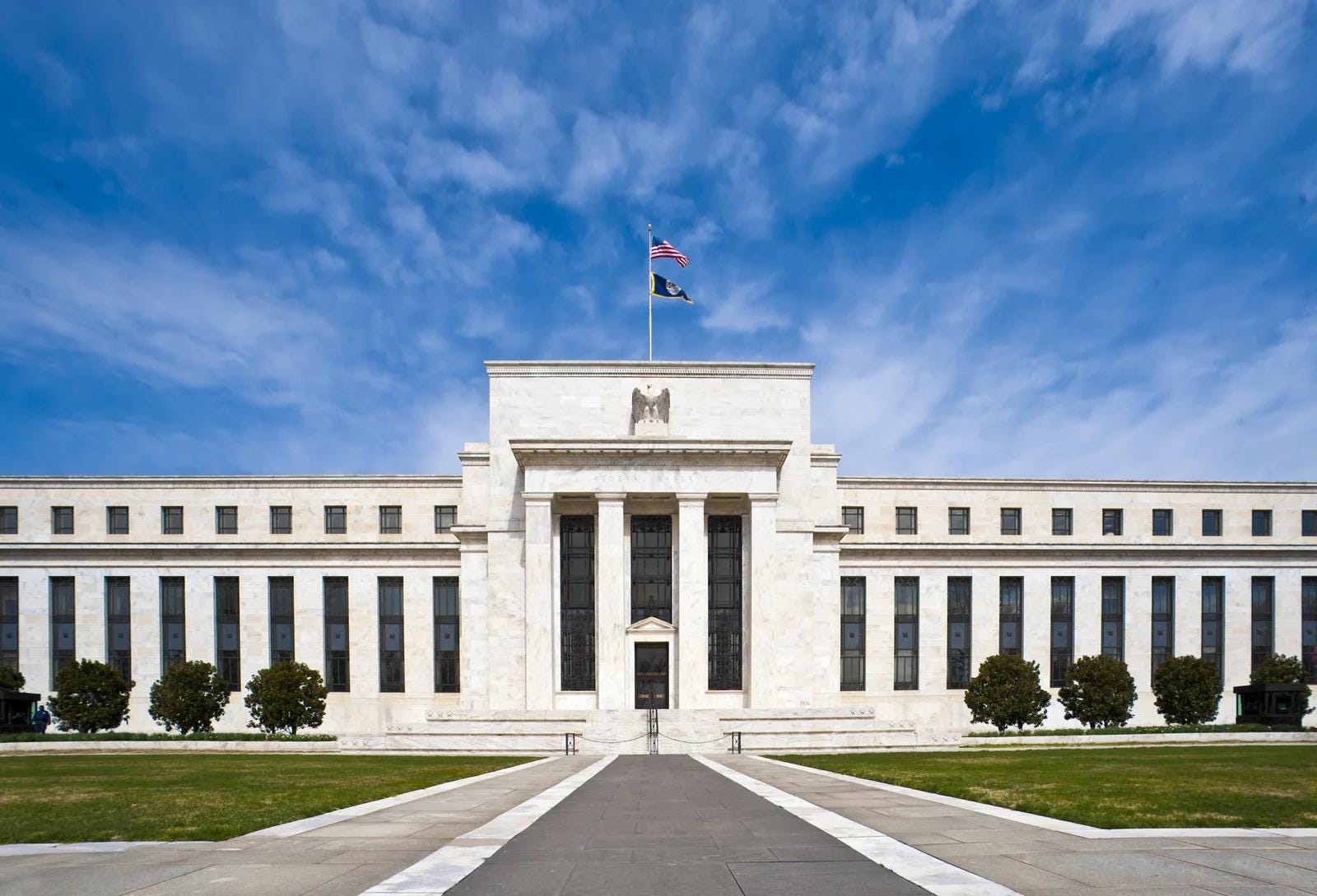
October’s consumer price index reportedly rose 0.4% from the previous month, with core inflation increasing approximately 0.3%.
That would put annual inflation at 4%, up from 3.7% in September.
For investors, those numbers are troubling.
Higher inflation reduces the Federal Reserve’s flexibility to lower interest rates and could increase pressure to maintain restrictive monetary policy.
That means higher borrowing costs for businesses and consumers, while risk assets such as Bitcoin and technology stocks could face additional selling.
The era of zero-interest-rate policy is behind us, at least for now.
But inflation is only part of the economic conversation.
2. The Economy Looks Good on Paper. So Why Does Everybody Feel Miserable?

I recently watched a video from author Mark Manson about an interesting contradiction: The economy can be doing well while people feel like their lives are getting worse.
And both things can be true.
We look at traditional economic indicators such as employment, stock markets, retirement accounts, infrastructure investment, and technological development.
By many of those measures, things can appear relatively healthy.
Yet people are frustrated.
Healthcare premiums are higher. Housing is expensive. Everyday services cost more. People feel less connected to their work, less secure in their careers, and less confident that they’re building something meaningful.
Manson’s broader argument, as I understood it, is that economic statistics don’t necessarily measure how satisfying life feels.
And I think that’s something politicians are missing.
Everybody promises to fix the economy. But what exactly does that mean?
If people are unhappy because they feel replaceable at work, disconnected from their communities, or unable to enjoy the things they once could, a higher stock market isn’t necessarily going to solve that.
People also keep saying they want prices to come down.
But widespread, sustained price declines can create serious economic problems of their own. What we really want is for wages and purchasing power to improve relative to the cost of living.
We need to look beyond the macroeconomic numbers and examine the quality of everyday life.
Otherwise, we could have an economy that looks fantastic on paper while everybody continues feeling miserable.
3. Bitcoin ETFs Record Fourth Consecutive Day of Outflows

U.S. spot Bitcoin ETFs reportedly recorded approximately $95 million in net outflows Tuesday, marking their fourth consecutive trading session of withdrawals.
That brings this week’s reported outflows to approximately $296 million, following roughly $1.3 billion in withdrawals the previous week.
Bitcoin continues hovering around $74,000, with little evidence of a sustained recovery.
Institutional investors may be responding to higher interest rates, economic uncertainty, portfolio rebalancing, or concerns about the incoming political environment.
Whatever the explanation, the continued withdrawals are worth watching.
If ETF flows don’t stabilize, Bitcoin could struggle to establish a meaningful recovery.
And with inflation remaining elevated, the Federal Reserve may not provide the monetary-policy relief that risk-asset investors have been hoping for.
4. Nvidia’s Market Value Takes a Massive Hit as Jensen Huang Controversy Continues

Nvidia shares reportedly fell another 5.5%, extending a difficult stretch for the artificial intelligence giant.
According to figures discussed in today’s episode, the company has lost approximately $430 billion in market capitalization since allegations involving CEO Jensen Huang and a woman suspected of intelligence connections emerged.
There is also speculation about whether Huang could step away from his leadership role.
I think that would be an enormous problem for Nvidia.
Jensen Huang built this company into one of the most important technology businesses in the world. Replacing someone with that kind of institutional knowledge, credibility, and influence isn’t simple.
But I keep coming back to the same point.
This shouldn’t be treated primarily as a cheating scandal.
If there’s a legitimate concern that foreign intelligence attempted to access sensitive American technology, that’s the story.
The personal gossip might generate clicks, but the national-security implications are what investors and regulators should be examining.
The allegations remain under investigation, and speculation about Huang’s departure should not be confused with an announced resignation.
5. Should America Restrict Nvidia’s AI Chip Sales to China?
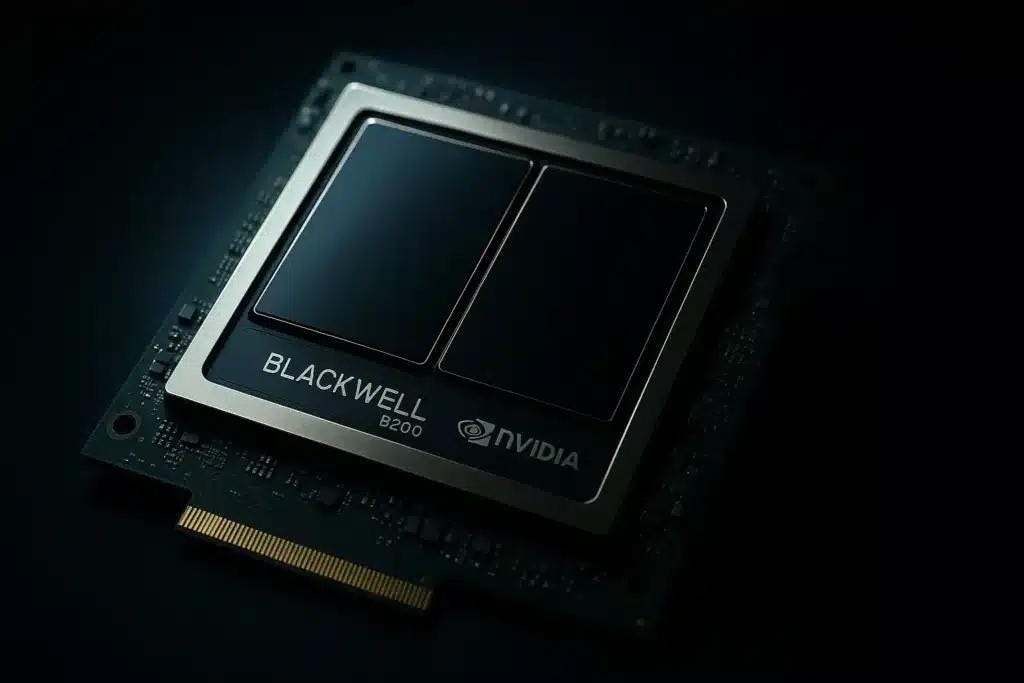
Yesterday, I asked whether the U.S. government should have the authority to restrict where American technology companies sell their products.
A listener named Spencer wrote in with an interesting argument.
He pointed to the Manhattan Project and the development of nuclear weapons during World War II.
The United States recruited scientists, invested enormous resources, and developed technology that it considered essential to national security.
Spencer’s point was that some technologies are simply too important to allow unrestricted access by geopolitical rivals.
That’s a fair argument.
But I pushed back with another question.
What if we applied that principle to automobiles or airplanes?
What if Henry Ford or the Wright brothers had been prevented from selling their innovations internationally because the government considered them strategically important?
Would the world have benefited, or would technological progress have slowed?
Advanced AI chips may have military applications that most of us don’t fully understand.
But there is a difference between government-funded classified technology and a privately developed commercial product.
Where should the government draw that line?
And should the same restrictions eventually apply to advanced AI models?
I don’t think there’s an easy answer, which is exactly why it’s worth discussing.
6. Anthropic Reportedly Prepares $1.4 Trillion IPO

Anthropic, the company behind Claude, is reportedly exploring a public offering that could value the company at approximately $1.4 trillion.
That would place it among the most valuable companies entering public markets.
The potential offering comes as investors are increasingly questioning the enormous infrastructure and computing costs required to develop advanced artificial intelligence systems.
I’m particularly interested in the opportunities for retail investors.
Robinhood has offered access to selected IPO allocations, allowing eligible investors to request shares before regular trading begins.
But here’s the part I don’t like.
Robinhood’s IPO access policies can restrict future allocations for investors who sell newly acquired shares within a specified period, including a 30-day window.
If I buy shares and the price doubles, why shouldn’t I be able to sell them?
It’s my stock.
If Robinhood wants to restrict my access to future offerings because I sold too quickly, that’s their decision.
But I’m not going to watch an investment double in value and refuse to take profits just to preserve access to another IPO.
That’s not how I approach trading.
Of course, any prediction about Anthropic’s opening share price or subsequent performance is speculation until the actual offering terms are announced.
7. Tom Emmer Moves Into Republican House Leadership
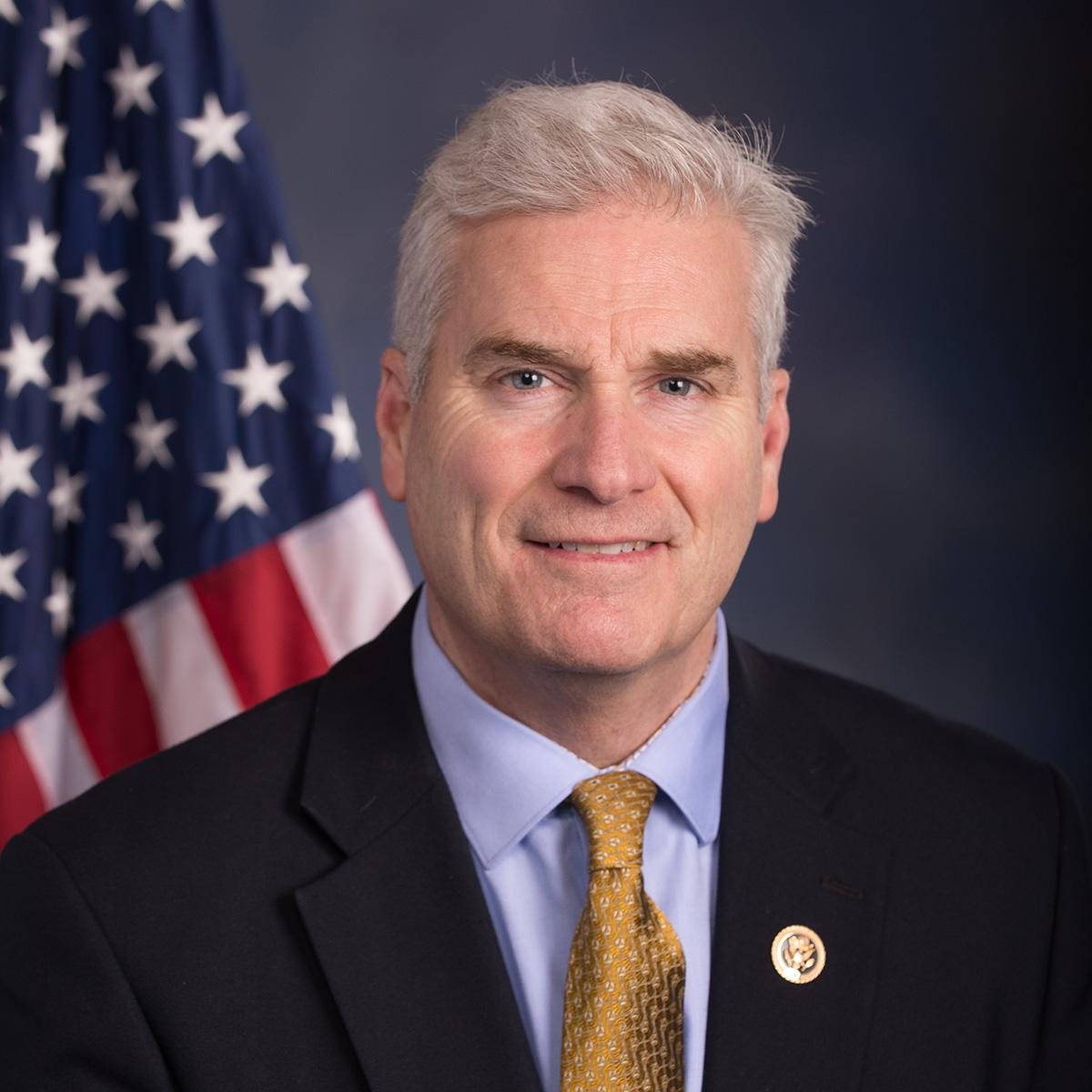
Minnesota Congressman Tom Emmer has reportedly been elected House Republican minority whip, placing one of Congress’s most prominent cryptocurrency advocates in a senior leadership position.
Emmer has consistently supported legislation intended to clarify cryptocurrency regulation and limit government overreach into digital assets.
His new role could give the industry an influential voice within Republican leadership.
But the broader political environment remains complicated.
Democrats are preparing to exercise greater control over the House agenda, and the cryptocurrency industry will need to navigate a Congress where support for digital assets does not necessarily translate into legislative victories.
Having influential advocates is useful.
Getting legislation through Congress is another matter entirely.
8. Federal Judge Rejects Novig’s Attempt to Block New York Gambling Enforcement
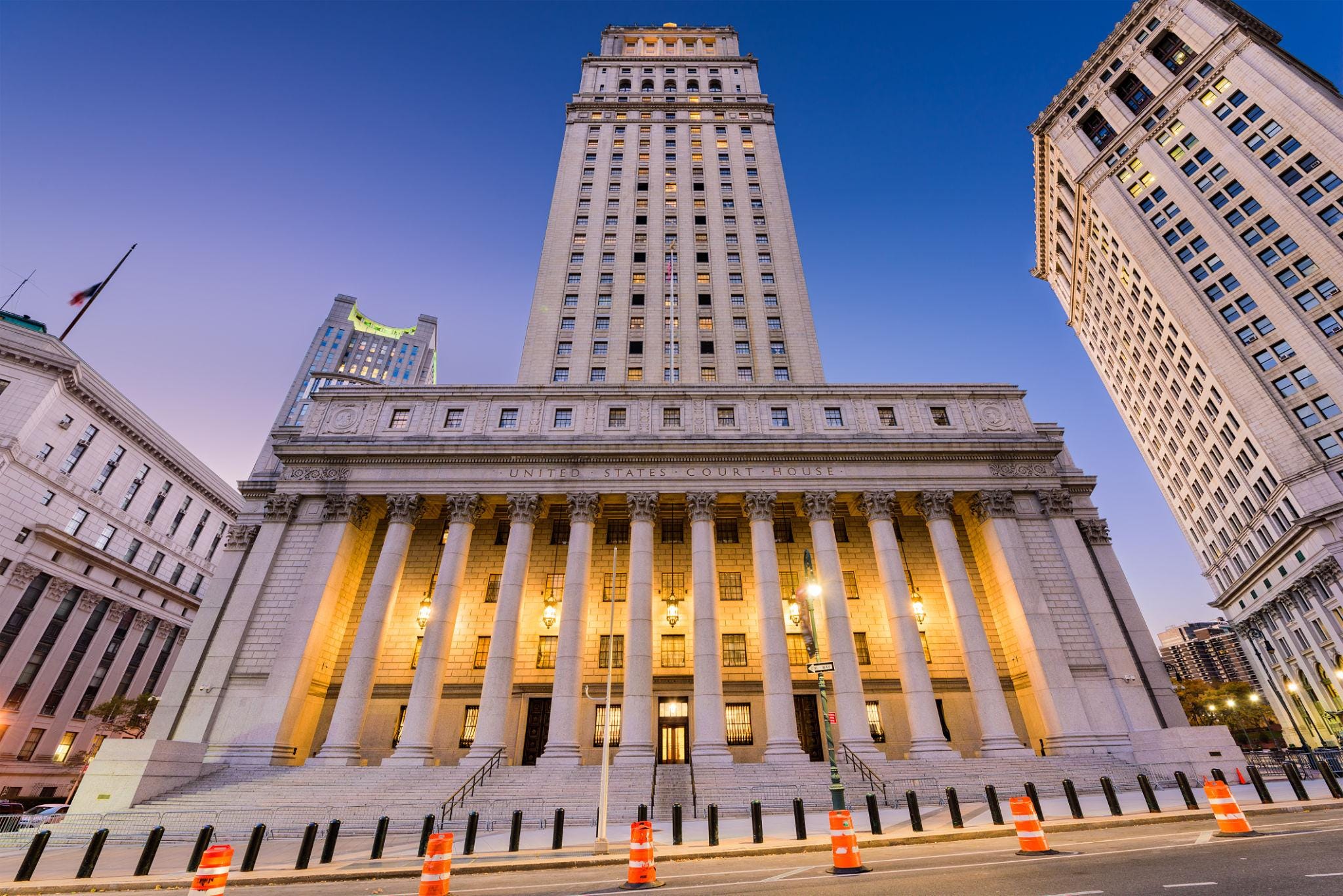
A federal judge has reportedly rejected prediction-market company Novig’s effort to prevent New York from enforcing its gambling laws.
The dispute concerns whether contracts tied to sporting events should be regulated as federally supervised financial derivatives or under state gambling regulations.
This is becoming one of the biggest questions surrounding prediction markets.
At what point does a financial contract become a wager?
And should companies be able to avoid state gambling restrictions simply by offering sports-related contracts through a federally regulated platform?
The distinction matters for businesses such as Kalshi and other platforms expanding into event-based trading.
My view is that sports wagering should be treated seriously as gambling, regardless of how a company structures the product.
But the courts will ultimately determine where federal derivatives authority ends and state gambling jurisdiction begins.
9. Initia Suffers Another Security Breach, With $3.27 Million Reportedly Stolen
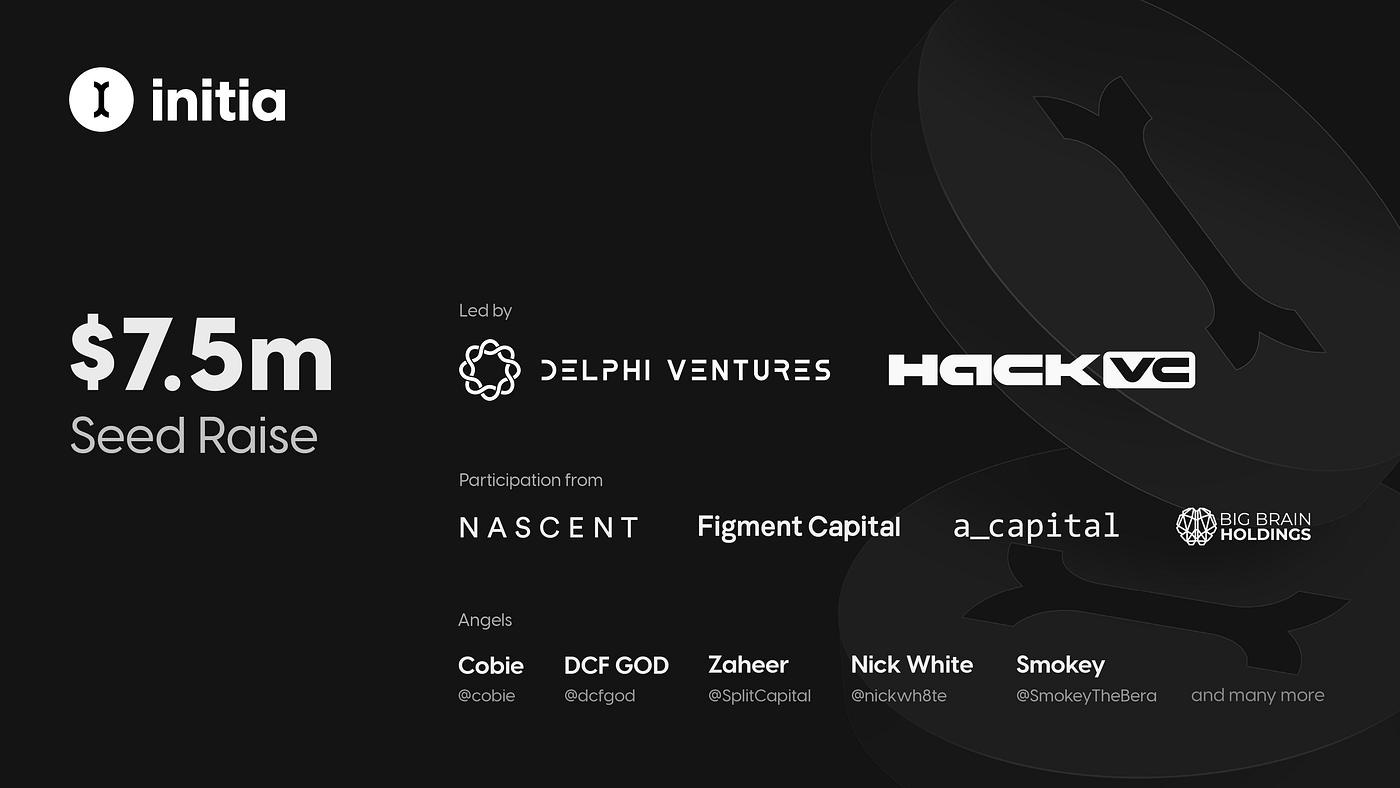
Blockchain network Initia has reportedly suffered its second security incident in less than three weeks.
Approximately $3.27 million in assets were allegedly stolen after attackers compromised cloud credentials used to authorize fraudulent withdrawals across connected blockchain networks.
The incident highlights a recurring weakness in cryptocurrency infrastructure.
It isn’t always the underlying blockchain that’s compromised.
Sometimes it’s an employee account, a cloud service, an authentication system, or another centralized component connected to the network.
Those vulnerabilities can provide attackers with access to assets even when the underlying blockchain continues operating as designed.
For cryptocurrency businesses, security must extend far beyond the smart contracts themselves.
10. Across Protocol Recovers Website After Domain Attack

Cross-chain bridge Across Protocol says it regained control of its website following an attack involving its domain registrar.
Attackers reportedly redirected visitors to a malicious website designed to trick users into approving fraudulent cryptocurrency transactions.
This is another example of attackers targeting the infrastructure surrounding blockchain applications.
A user can interact with what appears to be a legitimate cryptocurrency website without realizing that the domain has been compromised.
The resulting transaction might be perfectly valid on the blockchain while still transferring funds to an attacker.
Protecting customer assets requires secure domains, employee credentials, third-party software, and transaction approval systems.
The blockchain itself is only one part of the security equation.
11. Zcash Plunges Below $1,000 as Traders Face a Brutal Sell-Off

Zcash was one of the biggest losers in today’s cryptocurrency market.
The privacy-focused cryptocurrency fell approximately 16% over 24 hours and 25% over the previous seven days, dropping to around $975.
That’s an enormous correction.
Two addresses reportedly associated with Abraxas Capital were holding short positions with approximately $35 million in unrealized profits.
But what’s actually driving the sell-off?
There are several possibilities.
Leveraged traders may be getting liquidated, accelerating the decline. Investors could also be taking profits following Zcash’s substantial rally.
There are also questions about the market’s reaction to a recent network upgrade and whether changing political leadership in Washington could lead to additional scrutiny of privacy-focused cryptocurrencies.
None of those explanations has been established as the single cause.
But when a cryptocurrency experiences a rally of that magnitude, a sharp reversal can become self-reinforcing.
Traders take profits, leveraged positions unwind, and the resulting selling creates even more pressure.
Zcash’s decline is a reminder of just how volatile this market remains.
Cryptocurrency Market Snapshot
Prices and 24-hour changes at the time of recording.
Bitcoin (BTC): $73,750 | 🔴 -0.7%
Ethereum (ETH): $2,047 | 🔴 -2.2%
BNB: $680 | 🔴 -0.9%
XRP: $1.05 | 🔴 -2.0%
Solana (SOL): $83.78 | 🔴 -1.2%
TRON (TRX): $0.317 | 🔴 -0.5%
Hyperliquid (HYPE): $72.45 | 🔴 -1.4%
Zcash (ZEC): $975 | 🔴 -16.0%
Overall Market Indicators
Total Crypto Market Cap: $2.46 trillion | 🔴 -0.8%
Fear & Greed Index: 26 | Fear
Zcash is down approximately 25% over the past week, while Bitcoin remains below $74,000 and Ethereum continues struggling near $2,000.
With inflation elevated, ETF outflows continuing, and technology stocks under pressure, investors have plenty to watch.
And while the market is focused on prices, I think the bigger economic conversation remains important.
A healthy economy shouldn’t just look good in a spreadsheet. People should actually feel that their lives are improving.
I am a Crypto Journalist , I just love your writing style,the subtitles organization,the flow ; I always read your news everyday.
Currently I am seeking a a remote part-time job with potential for long-term contract.
https://www.linkedin.com/in/winston-mwenda-ba2125325?utm_source=share_via&utm_content=profile&utm_medium=member_android
medium.com/@mwendawinston76