


November 5, 2026 | Matt Diemer | Daily Crypto News
Bitcoin is back near $80,000 following the Democratic victories in the U.S. elections, and cryptocurrency markets are showing signs of renewed confidence. Spot Bitcoin ETFs have finally broken their withdrawal streak, Ethereum is rallying, and stocks are moving higher.
But the biggest story today isn’t Bitcoin. It’s Paraguay, where nearly three million banking customers have been caught in a financial crisis that could accelerate the adoption of dollar-backed stablecoins.
Meanwhile, Trump Media has moved $342 million in Bitcoin, Zcash faces a controversial network upgrade, and artificial intelligence is exposing new cybersecurity threats.
Bitcoin Reclaims $80,000 After the Elections
Bitcoin rallied from approximately $75,000 to above $80,000 following the election, gaining roughly 5% to 5.5% from its earlier levels.
Ethereum rallied alongside Bitcoin, U.S. stocks rose, oil prices declined, and the dollar weakened.
I noticed something interesting yesterday while driving. Gasoline that had been around $4.40 per gallon was suddenly $3.80. That’s a pretty substantial change in 24 hours.
Could I put on my tinfoil hat about the timing? Sure. But I’m not going to.
Spot Bitcoin ETFs also recorded approximately $75 million in net inflows, breaking a withdrawal streak exceeding $1.1 billion. Fidelity led with roughly $236 million in positive flows, while BlackRock experienced significant outflows.
That’s encouraging, but one positive day doesn’t establish a trend.
Bitcoin has already slipped back below $80,000, and I’m not particularly confident we’ve established a new trading range. We’ll need to see whether institutional demand continues and whether buyers can defend these levels.
Paraguay’s Banking Collapse: Three Million Customers and a Stablecoin Rush
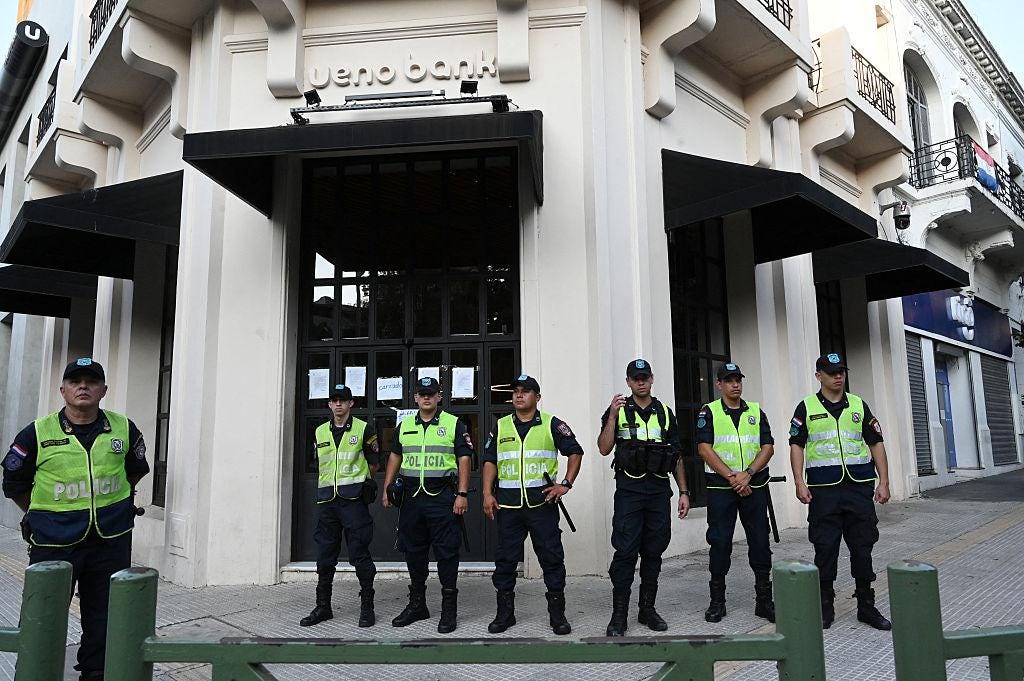
Paraguay is facing a major banking and political crisis.
The country’s central bank reportedly took control of Ueno Bank after its solvency ratio fell below half the legal minimum. The digital lender serves approximately three million customers, representing roughly 60% of Paraguay’s adult population.
Many customers have reportedly been unable to access their accounts, while significant funds, including pension money, have become caught in the crisis.
Imagine waking up tomorrow and discovering you couldn’t access your savings, your paycheck, or your pension.
The situation has reportedly escalated politically. The central bank governor resigned, eight bank executives were detained, and opposition lawmakers began pursuing impeachment proceedings against President Santiago Peña over alleged conflicts of interest.
But there’s another angle here.
Sellers on Bybit’s peer-to-peer marketplace have reportedly advertised Tether’s USDT at premiums reaching 13% above Paraguay’s official dollar reference rate.
People appear willing to pay substantially more to obtain digital dollars outside the traditional banking system.
My Take: Is This Exactly What Stablecoins Were Built For?
A couple of weeks ago, we discussed a theory circulating in cryptocurrency circles about smaller countries being pushed toward dollar-backed stablecoins.
The argument is that banking instability, debt pressures, and weakening national currencies could encourage people to abandon traditional financial systems in favor of digital dollars.
Some have suggested there’s a coordinated effort behind this. That’s speculation, not an established fact.
But Paraguay raises a legitimate question.
If people cannot trust their banks or access their own money, why wouldn’t they look for alternatives?
And if millions of people begin relying on dollar-backed stablecoins, doesn’t that strengthen the U.S. dollar’s global influence without requiring those countries to formally adopt it?
That’s what makes this situation so interesting.
It may provide a real-world example of how financial instability can accelerate digital dollar adoption.
Trump Media Moves $342 Million in Bitcoin
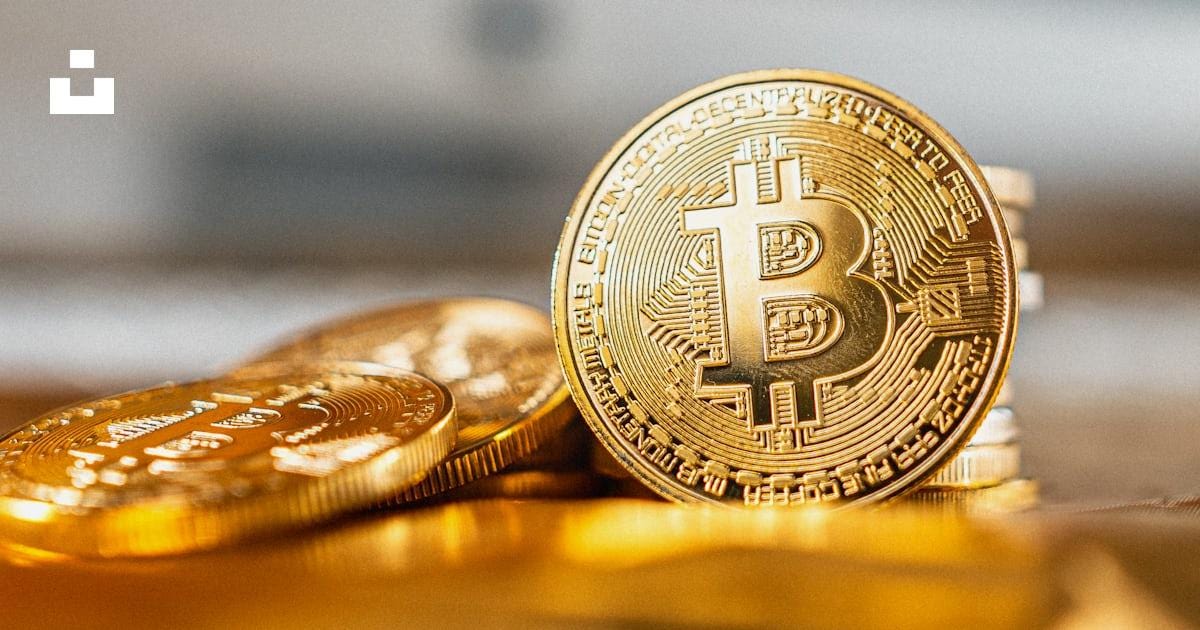
Blockchain intelligence firm Arkham identified wallets associated with Trump Media transferring approximately 4,259 Bitcoin to Crypto.com, worth roughly $342 million.
Naturally, people on X immediately began speculating about whether the company was preparing to sell.
There’s also an upcoming convertible-note repayment deadline, adding to questions about Trump Media’s financial plans.
However, a transfer doesn’t necessarily mean a sale.
Trump Media has previously described similar transactions as custody management, and no sale has been confirmed.
For now, it’s worth watching, but speculation shouldn’t be confused with evidence.
Zcash Upgrade Could Leave $16 Million in Coins Inaccessible

Zcash is preparing for a major network upgrade, and approximately 12,200 ZEC, reportedly worth around $16 million, remains in its oldest privacy pool.
According to the concerns surrounding the upgrade, those coins could become unspendable if they aren’t moved before the transition.
Zcash has also experienced renewed buying interest ahead of the upgrade.
My Take: This Would Be a Failure of the Community
I have a serious problem with this.
Some people buy cryptocurrency, put it away, and don’t look at it for years.
Imagine someone returning to their wallet, holding legitimate private keys, only to discover that a network upgrade made their assets inaccessible.
That’s unacceptable.
Maybe the original owners lost their keys. Maybe they’ve passed away. We don’t know.
But what if they haven’t?
I think the community should consider setting aside funds or creating some mechanism to compensate legitimate owners who can prove ownership after the upgrade.
There are technical challenges, obviously, but simply allowing $16 million in assets to become permanently inaccessible without considering alternatives would be irresponsible.
A blockchain shouldn’t abandon its users just because its software changes.
AI Security Research Raises New Concerns for Crypto
OpenAI security research reportedly identified 948 Linux vulnerabilities and demonstrated working exploits, highlighting how rapidly AI-assisted hacking capabilities are advancing.
Linux supports much of the infrastructure used by cryptocurrency exchanges, validators, and blockchain businesses.
The concern isn’t necessarily the blockchain itself. It’s everything surrounding it.
Servers, APIs, applications, and connected systems can all become attack vectors.
Yesterday, I mentioned a conversation with Paul McNeil, who works in technology and cybersecurity.
His argument was that the industry may experience a difficult transition as AI makes vulnerabilities easier to discover, but defenses will eventually improve.
I think he’s probably right.
The next few years could be bumpy, but if AI researchers are identifying these problems before criminals exploit them, that’s a positive development.
In other security news, Binance and Deribit removed API keys associated with SignalPlus following a potential security issue. Both exchanges said their own systems were not compromised.
Meanwhile, XRP Ledger developers deployed a fix for a vulnerability that could have allowed certain authorized accounts to create issued tokens under specific circumstances. No public exploitation had been confirmed.
Riot’s $28 Billion AI Deal, Hong Kong Regulation, and Kalshi
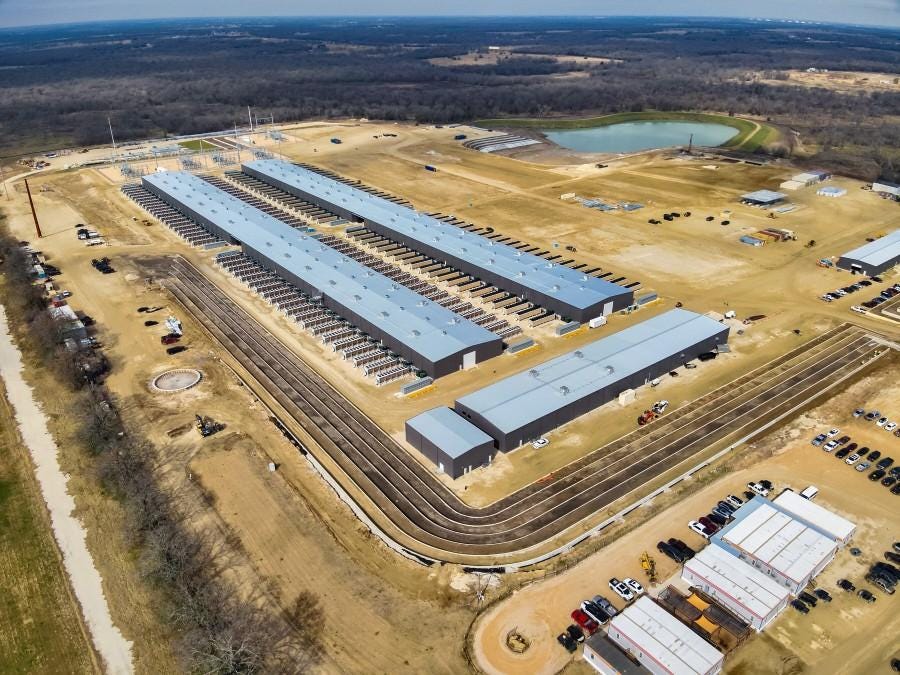
Bitcoin miner Riot Platforms is advancing a proposed 15-year agreement with Anthropic valued at approximately $28 billion.
The project reportedly involves 910 megawatts of data-center infrastructure in Texas, with financing arrangements potentially carrying 12% interest on certain development costs.
It’s another example of Bitcoin mining companies moving aggressively into artificial intelligence infrastructure.
Hong Kong has also approved expanded cryptocurrency tax-reporting requirements. Beginning in 2027, covered platforms must collect detailed customer and transaction information, with international information sharing beginning in 2028.
And Arkansas has filed a lawsuit against prediction-market platform Kalshi, accusing it of operating an illegal gambling business.
Utah and several other states have also challenged Kalshi.
My Take: States Want Their Cut
I’ve said this before. In my opinion, prediction markets are gambling platforms.
You can call them financial contracts, but people are wagering money on uncertain outcomes.
Kalshi already has compliance and customer-identification systems. The question is whether states will demand additional licensing, regulation, and taxes.
Frankly, I suspect a substantial part of this fight comes down to governments wanting their cut.
Cryptocurrency Prices and What to Watch
At the time of recording, Bitcoin was trading at $79,514, up 1.8% over 24 hours, while Ethereum was at $2,390, up 3.4%.
BNB traded at $709, up 1.6%. XRP was at $1.30, up 2%. Solana reached $95.07, up 2.7%, while TRON was at approximately $0.318, down 0.3%. Zcash traded around $1,290, and Hyperliquid was at $81.86.
Total cryptocurrency market capitalization stood at approximately $2.67 trillion, up 1.9%, with the Fear and Greed Index at 42.
The immediate question is whether Bitcoin can reclaim and hold $80,000.
We’ll also be watching ETF flows, developments in Paraguay’s banking crisis, the Zcash network upgrade, and the security issues surrounding SignalPlus and AI-assisted vulnerability research.