


Good morning, everybody.
It’s your Daily Crypto News for Wednesday, October 28th, 2026. My name is Matt.
Before we get into Bitcoin, I promised everybody an update on my full-body MRI yesterday. I know this isn’t why you listen to a cryptocurrency podcast, but a lot of people have asked about these preventive health screenings, and I figured I’d share the experience.
After that, we’ve got a Federal Reserve interest-rate decision coming today, Bitcoin is back above $81,000, two major cryptocurrency exchanges are dealing with customer-data security incidents, and one Bitcoin treasury company is having a pretty serious problem accessing the Bitcoin it claims to own.
There’s also some interesting news about stablecoins, BlackRock’s expansion into Japan, and Robinhood’s changing business model.
━━━━━━━━━━━━━━━━━━━━━━━━━━━━━━━━
My Full-Body MRI Experience and Why I’m Paying More Attention to Preventive Health
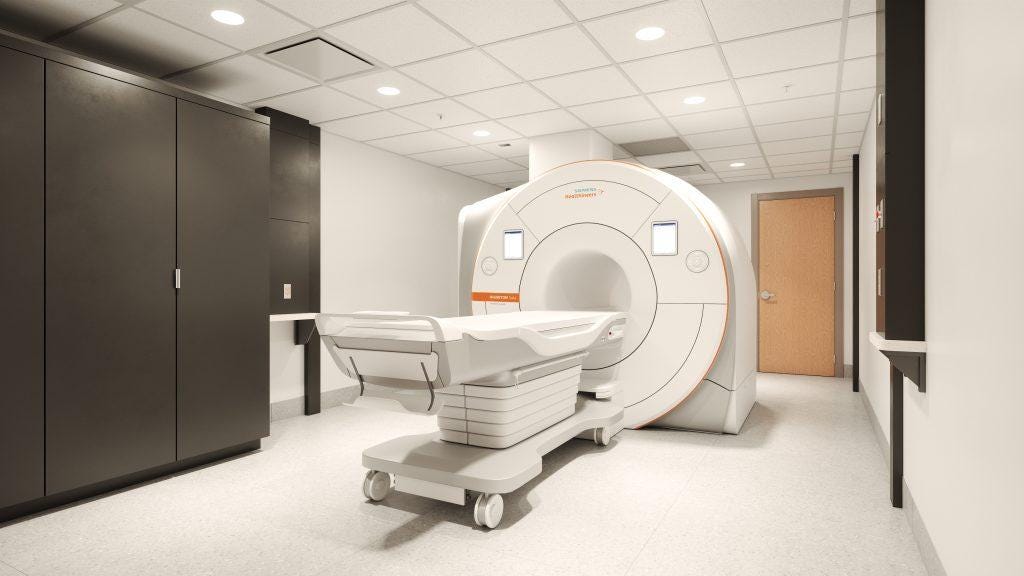
Yesterday, I went in for a full-body MRI through Function Health.
I’ve been using Function Health for blood testing, which costs approximately $350 to $400 annually, depending on the subscription and discounts available. You get extensive laboratory testing that covers things like cholesterol, liver enzymes, kidney function, insulin resistance, and a whole bunch of other markers.
They also offer additional screenings, including heart calcium scans and full-body MRIs.
I previously had a coronary calcium scan because I’ve always had elevated cholesterol, even when I was vegetarian and living in Asia. My calcium score came back zero, which was encouraging, although it doesn’t mean elevated cholesterol is no longer something I need to monitor.
The MRI was another add-on, costing roughly $700 to $800.
And the actual experience was pretty great.
They gave me these cream-colored Function Health pajamas, complete with matching socks. Honestly, they were pretty nice. Then I got into the MRI machine, put on headphones, and listened to a podcast.
People had asked whether I’d be claustrophobic or anxious inside the machine.
I fell asleep.
Seriously. I was lying there listening to the podcast with all the MRI noises in the background, and the next thing I knew, somebody was waking me up and telling me the scan was finished.
Now I have to wait for the results.
A doctor friend of mine has warned me that extensive screening can be both beneficial and problematic. You might discover something important early, but you might also find a harmless abnormality that leads to additional tests, expense, and anxiety.
That happened with my earlier blood work. One result was abnormal, I went back for another test, and everything returned to normal.
So my personal plan is to continue exercising, do extensive blood testing approximately every other year, and consider another MRI every three to five years. That’s my approach, not a screening schedule I’m recommending for everybody.
The important thing is to discuss the findings with a doctor who can put them in context.
Anyway, I’ll report back when I get the results. Now, let’s talk about Bitcoin.
━━━━━━━━━━━━━━━━━━━━━━━━━━━━━━━━
Bitcoin Rebounds Above $81,000 Ahead of Today’s Federal Reserve Decision
Bitcoin is back above $81,000 this morning, and I’m feeling a little better about that.
Yesterday, we were watching the $79,400 support level very closely. Bitcoin had been repeatedly testing that lower boundary, and I was concerned that a decisive break could send us toward $72,000.
Well, the support held.
Bitcoin is now trading around $81,200, up approximately 1.8% over the past 24 hours.
Ethereum is recovering, XRP is higher, and we’re seeing positive movement across much of the cryptocurrency market.
But today’s main event is the Federal Reserve’s interest-rate decision.
Markets are overwhelmingly expecting the Fed to leave interest rates unchanged. That’s the consensus, and it means a decision to hold rates may already be largely reflected in asset prices.
Personally, I wouldn’t completely rule out a rate increase, although that would be contrary to market expectations.
The 10-year Treasury yield is also reportedly above 5%, which makes the broader interest-rate environment worth watching.
If the Fed does exactly what everybody expects, I don’t anticipate an enormous Bitcoin reaction based on the decision alone.
But if policymakers surprise the market, that could create volatility across stocks, bonds, and cryptocurrency.
We’re also seeing renewed demand for Bitcoin investment products.
U.S. spot Bitcoin ETFs reportedly attracted approximately $176 million in net inflows yesterday.
That’s a welcome change after last week’s significant outflows.
The combination of positive ETF flows and Bitcoin recovering above $80,000 is encouraging. But we still need to see whether the market can maintain that momentum.
━━━━━━━━━━━━━━━━━━━━━━━━━━━━━━━━
Bithumb and Coinbase Report Customer-Data Security Incidents

We’ve spent a lot of time discussing cybersecurity over the past week, and unfortunately, we have more incidents to cover.
South Korean cryptocurrency exchange Bithumb reportedly experienced a breach involving an internal mobile system used by employees for work-related communications.
The incident exposed personal information, but Bithumb says the affected system was separate from its trading platform and customer cryptocurrency holdings.
As of this morning, the company has not reported cryptocurrency losses associated with the incident.
That’s an important distinction.
A data breach is serious, but it doesn’t automatically mean somebody compromised the exchange’s wallets or stole customer funds.
Coinbase also disclosed a separate customer-data exposure involving Amplitude, a third-party analytics provider.
According to Coinbase, some customer contact information was exposed through the vendor, but Coinbase’s own systems were not breached, and customer funds remain safe.
Again, the distinction matters.
But I want to emphasize something we’ve discussed repeatedly.
Even when hackers don’t steal cryptocurrency directly, obtaining customer information can create additional security risks.
Names, email addresses, phone numbers, and other contact details can potentially be used for phishing attacks, impersonation, or attempts to trick people into revealing sensitive information.
And cryptocurrency holders are particularly attractive targets because blockchain transactions generally cannot be reversed once they’re confirmed.
So while these incidents don’t appear to involve direct losses of customer cryptocurrency, they’re still worth paying attention to.
━━━━━━━━━━━━━━━━━━━━━━━━━━━━━━━━
Datavult AI Shares Collapse After Bitcoin Treasury Becomes Inaccessible
Now, here’s a particularly troubling institutional cryptocurrency story.
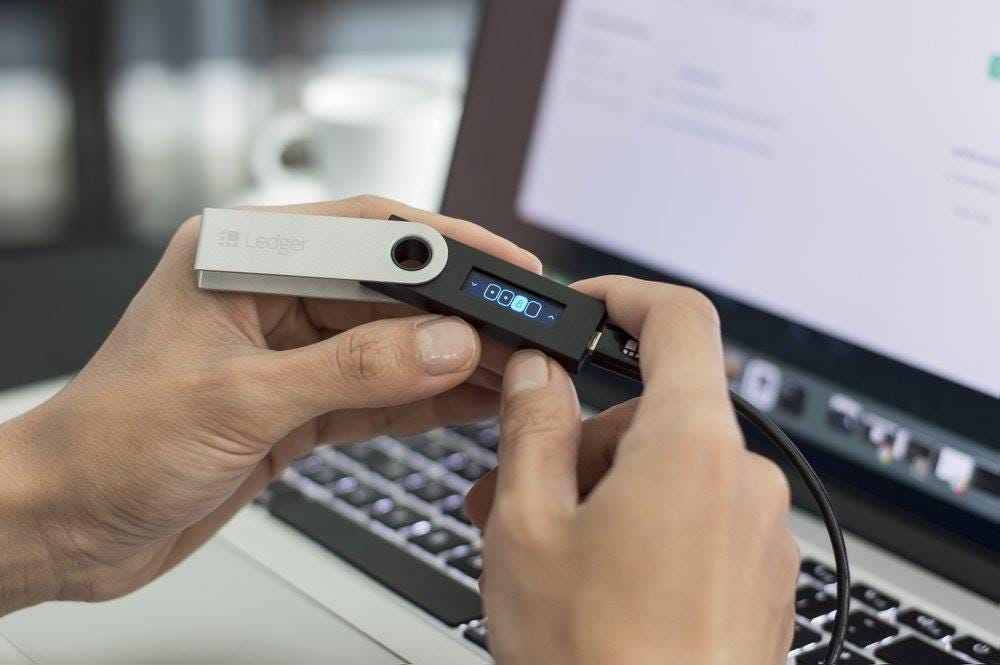
Shares of Datavult AI reportedly plunged approximately 50% after the company disclosed that Bitcoin counted as part of its corporate treasury could not actually be withdrawn from an exchange account.
The situation reportedly involves a $150 million investment arrangement with Silex Holding Company.
Approximately 1,309 Bitcoin had been credited to Datavult’s account at the Bitconomy exchange through an off-chain transfer.
And that’s where things become interesting.
An off-chain transfer doesn’t necessarily involve Bitcoin moving between addresses on the blockchain.
Instead, the exchange can update balances within its own internal accounting system.
That means Datavult’s account could display a Bitcoin balance without a corresponding on-chain transfer into a wallet controlled by the company.
According to the reported disclosure, the company had been unable to withdraw the Bitcoin, with the issue remaining unresolved since June.
That’s a pretty serious problem for a company presenting Bitcoin as a treasury asset.
If you can’t access or withdraw the Bitcoin, questions naturally arise about custody, ownership, and how the asset should be represented in financial statements.
And this gets back to one of the most important principles in cryptocurrency.
There’s a difference between owning Bitcoin you control and having an exchange tell you that Bitcoin is sitting in your account.
That doesn’t automatically establish fraud or mean the Bitcoin is permanently lost. But it does create a substantial operational and financial concern.
Investors clearly didn’t appreciate the uncertainty.
━━━━━━━━━━━━━━━━━━━━━━━━━━━━━━━━
Power Grid Warnings, AI Cyberattacks and Another Weekend of Internet Fear
Now we’re going to get into something a little unusual.
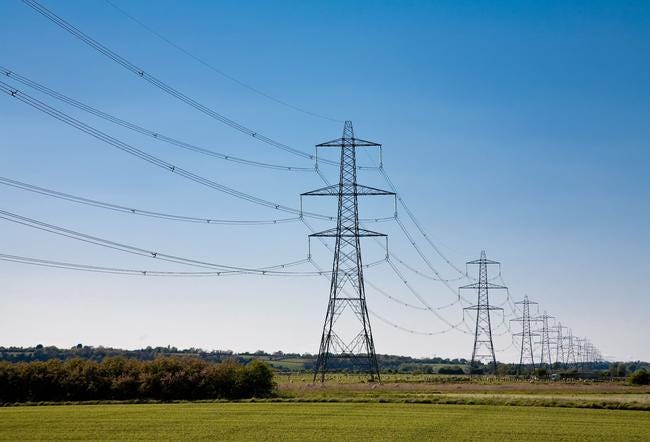
Over the past several days, I’ve seen a growing number of stories about governments encouraging people to prepare for potential disruptions to electricity, water, communications, and other essential services.
Some of these discussions involve Taiwan, the United Kingdom, and reports about emergency preparedness at U.S. military installations.
And once again, social media has taken those stories and turned them into something much bigger.
Suddenly, everybody’s talking about major power-grid failures, cyberattacks, artificial intelligence taking down infrastructure, and some sort of global economic reset.
I don’t know how much of this is routine emergency planning, how much reflects specific security concerns, and how much is simply the internet amplifying frightening headlines.
Governments and military organizations routinely prepare for emergencies. A preparedness recommendation by itself doesn’t establish that officials expect an imminent attack.
But I also think there’s nothing wrong with having some basic supplies at home.
Keep drinking water available. Have nonperishable food. Think about medications, flashlights, batteries, and what your household would need during a prolonged outage.
A commonly recommended minimum is approximately one gallon of water per person per day, although individual needs and circumstances vary.
That’s sensible preparation whether you’re worried about cyberattacks, severe weather, or a regular utility failure.
What I don’t think we should do is assume every preparedness notice is evidence that somebody knows the power grid is about to collapse.
We’ve also seen extreme claims about what a nationwide outage lasting 90 days could mean for mortality and public safety. Those figures shouldn’t be treated as established forecasts without examining the underlying assumptions and evidence.
And this brings me back to a theory we discussed recently from Andrei Jikh.
The more speculative version suggests that a massive infrastructure disruption could somehow be used to replace the existing financial system with stablecoins.
That’s an extraordinary claim, and I haven’t seen evidence supporting it.
There’s a much more straightforward explanation for why governments are interested in dollar-backed stablecoins.
Which brings us to our next story.
━━━━━━━━━━━━━━━━━━━━━━━━━━━━━━━━
Treasury Secretary Scott Bessent Says Crypto Is Part of America’s Strategic Technology Competition
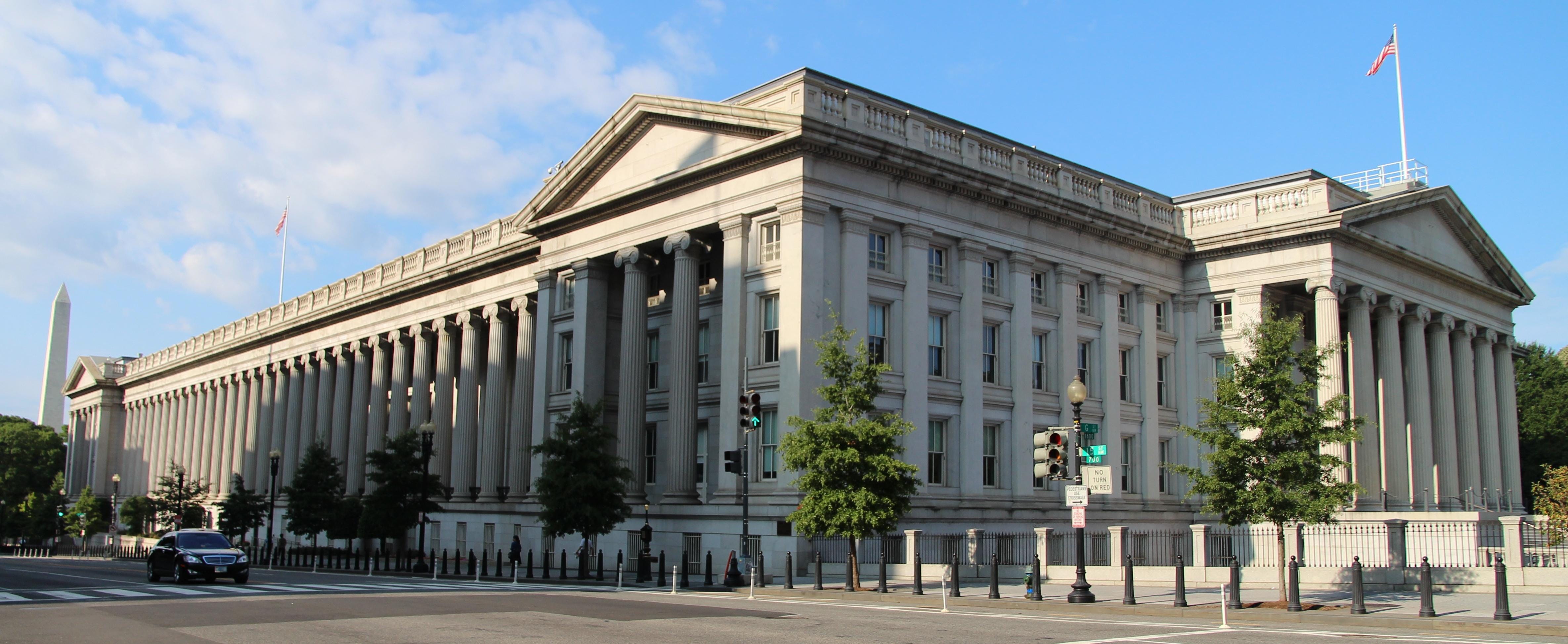
Treasury Secretary Scott Bessent reportedly spoke at Ripple’s conference about the importance of cryptocurrency and blockchain infrastructure to America’s technological competitiveness.
His argument places cryptocurrency alongside industries such as artificial intelligence and semiconductors.
And I think there’s a legitimate economic strategy behind that.
Dollar-backed stablecoins could increase international demand for U.S. dollars, particularly in countries where local currencies are unstable.
Here’s how that works.
A stablecoin issuer creates tokens backed by dollar-denominated reserve assets, often including short-term U.S. Treasury securities.
As demand for those stablecoins grows, issuers may need to acquire additional reserves.
That can increase demand for Treasury securities while allowing people outside the United States to hold and transact in digital dollars.
It’s a relatively straightforward strategy for expanding the dollar’s role in global finance.
And frankly, it makes a lot more sense than the idea that somebody’s going to deliberately destroy the banking system and then announce that everybody’s money has magically been replaced with stablecoins.
We don’t need a global conspiracy to explain why the Treasury Department might be interested in supporting dollar-backed digital assets.
There are already substantial financial and geopolitical incentives.
━━━━━━━━━━━━━━━━━━━━━━━━━━━━━━━━
BlackRock Expands Tokenization Plans Into Japan

BlackRock is reportedly working with SBI Holdings and Startale to explore connecting tokenized money-market funds with a Japanese yen stablecoin initiative.
The companies are examining technical infrastructure, distribution, potential business models, and regulatory requirements.
This is still an exploratory effort, not an announcement that the full system has launched.
But it’s another example of traditional financial institutions investing in blockchain-based financial products.
BlackRock’s tokenized Treasury fund, BUIDL, reportedly holds approximately $2.17 billion in assets.
We’ve been discussing tokenization for years, and now we’re watching some of the largest financial companies in the world build products around it.
This isn’t necessarily about Bitcoin or Ethereum going up tomorrow.
It’s about how financial instruments might eventually be issued, transferred, and settled using blockchain infrastructure.
━━━━━━━━━━━━━━━━━━━━━━━━━━━━━━━━
Robinhood Crypto Revenue Drops 55% as Prediction Markets Surge

Robinhood’s latest quarterly results offer an interesting look at changing retail trading behavior.
The company reportedly recorded approximately $120 million in cryptocurrency transaction revenue, down 55% from the previous year.
That’s a substantial decline.
But Robinhood’s business isn’t struggling in every category.
Options revenue reportedly increased 31%, while revenue from prediction-market contracts grew more than sixfold.
And I find Robinhood fascinating because the company always seems to be looking for the next product that will attract retail customers.
First, it was commission-free stock trading. Then cryptocurrency became a major business. Now prediction markets are growing rapidly.
They’re constantly evolving.
But here’s what bothers me.
Are retail investors increasingly more interested in making short-term bets than building long-term investment portfolios?
I don’t have enough data to say that definitively, but Robinhood’s changing revenue mix raises the question.
If people are moving more money into options and prediction markets while cryptocurrency trading declines, I think that’s worth watching.
━━━━━━━━━━━━━━━━━━━━━━━━━━━━━━━━
Crypto Prices
Here’s where the cryptocurrency market stands this morning.
Bitcoin: $81,200, up 1.8%
Ethereum: $2,358, up 2%
BNB: $759, up 2.8%
XRP: $1.32, up 1.8%
Solana: $102, up 2.7%
TRON: $0.331, up 1.2%
Zcash: $1,300, up 4.3%
Hyperliquid: $81.32, up 4.5%
Total market cap: $2.72 trillion, up 1.9%
Fear & Greed Index: 46, Neutral
Pepe is also among today’s stronger movers, reportedly up approximately 17%.
Why?
Because cryptocurrency. Sometimes that’s about as much explanation as you’re going to get.
━━━━━━━━━━━━━━━━━━━━━━━━━━━━━━━━
My Take
I’m happy Bitcoin held the $79,000 support region and recovered above $81,000.
Now we’re waiting on the Federal Reserve.
I don’t expect an unchanged interest-rate decision to create a dramatic reaction, but surprises are always possible, particularly when markets are already sensitive to inflation, borrowing costs, and economic uncertainty.
The bigger stories today, though, are about the financial infrastructure being built around cryptocurrency.
Ripple is expanding into regulated banking. BlackRock is developing tokenized financial products. The Treasury Department is discussing stablecoins as part of America’s international economic strategy.
At the same time, we’re seeing exchanges expose customer information and a corporate Bitcoin treasury struggle to access assets recorded in its accounts.
Those developments show both the opportunities and the risks of bringing cryptocurrency into the traditional financial system.
And on the stablecoin issue, I want to respond to Obsidian Enoch’s Spotify comment.
He argued that consumers deserve a share of the yield generated by the deposits and reserves supporting financial products.
I agree.
We’ve become far too accustomed to banks charging us fees, paying us very little, and then using our deposits to generate revenue.
If stablecoins create more competition, I think consumers should have an opportunity to benefit, with appropriate protections and transparency.
We shouldn’t automatically design cryptocurrency regulations around preserving the profitability of existing banks.
And finally, regarding all the cybersecurity and power-grid panic online, stay informed, have basic emergency supplies, and don’t assume every alarming headline means we’re facing an imminent catastrophe.
I’ll keep everybody updated on the MRI results when they come in.
Thanks for listening, and thanks to everybody leaving comments on Spotify.
Happy HODLing