


Daily Crypto News | Thursday, October 29, 2026
Good morning, my homies. My name is Matt, and welcome to Daily Crypto News.
First, thanks to everybody leaving comments on Spotify.
Danny wrote, “Health is wealth.” David Sanchez told me to take care of my health because it’s the ultimate investment. I appreciate both of you.
And Obsidian Enoch had a response to our discussion about the possibility of a major power-grid disruption being connected to some kind of financial reset.
Of course there’s no upside to the entire American power grid going down. I agree with that.
What I was referring to was the theory we discussed from Andrei Jikh about a major disruption potentially being used to accelerate a transition toward digital dollars and Treasury-backed stablecoins.
That’s a theory, not something I’m presenting as an established plan. I don’t see evidence that anybody is deliberately preparing to shut down the power grid to replace our financial system.
But the discussion around stablecoins, Treasury debt, and the future of the dollar is legitimate.
Anyway, thanks for the comments. Let’s get into the news.
━━━━━━━━━━━━━━━━━━━━━━━━━━━━━━━━
Bitcoin Holds $80,000 After the Fed Leaves Rates Unchanged
Bitcoin is back around $80,000, and we’re still bouncing around the same support region we’ve been watching all week.
We briefly slipped below $79,000, but so far, we haven’t seen a decisive breakdown from the broader trading range.
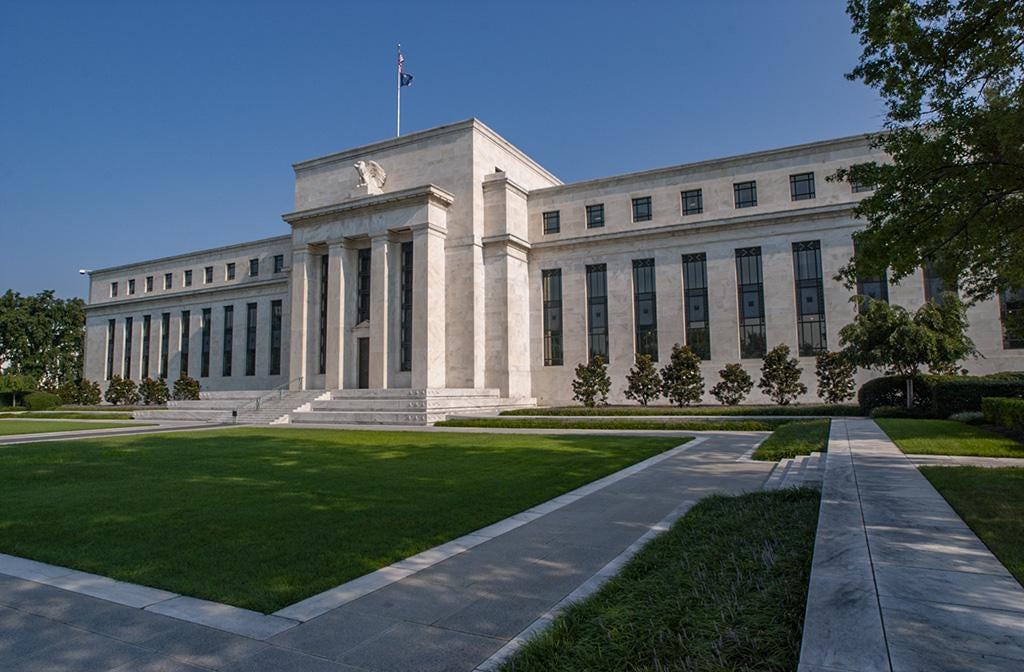
The Federal Reserve also delivered its interest-rate decision yesterday, leaving rates unchanged.
Personally, I think the Fed should have raised rates by 25 basis points.
I understand why policymakers might want to wait, but at some point, I think they need to make a decision and deal with the consequences instead of continually hesitating.
That’s my opinion, of course.
Meanwhile, Bitcoin ETFs continue attracting money.
According to the figures discussed on today’s show, U.S. spot Bitcoin ETFs have brought in approximately $424 million this week, including another $137 million yesterday.
That’s three consecutive days of positive flows.
And yet Bitcoin is still struggling around $80,000.
It shows why we shouldn’t assume that positive ETF flows automatically translate into higher prices the next morning. There’s buying, there’s selling, and there’s a much larger market determining the price.
Ethereum is having a different experience.
Spot Ethereum ETFs reportedly recorded another $21 million in outflows, following more than $1 billion in withdrawals earlier in October.
So institutional demand isn’t moving uniformly across the cryptocurrency market.
Bitcoin funds are seeing renewed inflows, while Ethereum funds continue struggling.
━━━━━━━━━━━━━━━━━━━━━━━━━━━━━━━━
Chamath Palihapitiya and Jason Calacanis Are Betting Against Bitcoin. What’s Going On?

Now let’s get into some gossip from X.
Last week, Chamath Palihapitiya made some pretty negative comments about Bitcoin, including concerns that advances in artificial intelligence could eventually undermine its security.
That’s interesting because Chamath has historically been one of Bitcoin’s more prominent supporters.
So when somebody like that starts discussing the possibility of Bitcoin eventually going to zero, people pay attention.
And now Jason Calacanis, his fellow All-In Podcast personality, is joining the conversation.
Jason has reportedly suggested Bitcoin could fall to $57,000 within the next year.
Coinbase CEO Brian Armstrong responded by joking about creating an inverse Calacanis index, essentially betting against Jason’s predictions.
Then Grant Cardone reportedly challenged Jason to a $1 million wager over whether Bitcoin would reach a new all-time high within the next year.
As discussed on the show, Jason hadn’t publicly accepted that challenge.
And here’s what I find interesting.
Why are two prominent technology investors suddenly so bearish on Bitcoin?
Do they understand something about its future security that the rest of us are missing?
Or are they simply making provocative predictions that generate attention?
I’ve also wondered whether some of these public statements could coincide with trading positions, but that’s speculation. I don’t have evidence of their positions or motivations.
Still, it’s an interesting change in tone.
We’ve heard Bitcoin obituaries for years. China bans, regulatory crackdowns, exchange collapses, and now AI-driven security threats.
That doesn’t mean we should dismiss every warning. But it also doesn’t mean a prominent investor’s prediction automatically becomes reality.
━━━━━━━━━━━━━━━━━━━━━━━━━━━━━━━━
Crypto Traders Organize a Boycott Against Pump.fun
Over on crypto Twitter, some traders are organizing a boycott against the memecoin launch platform Pump.fun.
The hashtag #BoycottPumpFun has been circulating amid complaints about promised airdrops that reportedly haven’t materialized.
There’s also controversy surrounding the platform’s relationship with influencer Kimchi and renewed discussion of internal Telegram messages that surfaced through litigation.
Those messages have fueled criticism about how the platform operates and whether ordinary traders are being put at a disadvantage.
Pump.fun is also reportedly offering $2.5 million in prizes, although the exact terms and purpose of that promotion weren’t established in today’s reporting.
And I have to say, I’m not particularly shocked that people are unhappy with a memecoin launch platform.
We’re talking about an ecosystem where enormous numbers of speculative tokens are created, many traders lose money, and a small number of participants can potentially profit substantially.
That doesn’t establish that every project is fraudulent, or that every accusation against Pump.fun is true.
But it does explain why traders are increasingly asking questions about incentives, transparency, and who actually benefits from all this activity.
━━━━━━━━━━━━━━━━━━━━━━━━━━━━━━━━
AI Helps Discover Three Bitcoin Core Security Vulnerabilities
This is probably today’s most important technology story.
Bitcoin Core developers have reportedly disclosed three security vulnerabilities identified with assistance from artificial intelligence.
One of those vulnerabilities could potentially have allowed a remote attacker to crash affected Bitcoin nodes running on Windows or macOS.
Developers verified the reported weaknesses and released fixes before publicly disclosing the details.
Additional findings are also expected to be disclosed in the coming weeks.
And this is exactly the distinction we’ve been discussing.
Finding a vulnerability in Bitcoin node software is not the same thing as breaking Bitcoin’s cryptography.
A node is software running on a computer. It validates transactions and blocks and participates in the Bitcoin network.
Like other complex software, it can contain bugs.
A flaw that crashes an affected node could disrupt that computer’s participation in the network, but it doesn’t mean an attacker has discovered everybody’s private keys or gained the ability to steal Bitcoin directly.
Still, it’s a security issue that deserves attention.
What interests me most is the role AI is beginning to play in finding these problems.
We’ve discussed the possibility that artificial intelligence could make vulnerability discovery much faster.
Now we’re seeing reports of AI-assisted research producing findings that developers can verify and fix.
That’s good news when responsible researchers discover the bugs first.
But the same capabilities could also be useful to attackers.
And that’s why software maintenance, coordinated disclosure, and timely security updates are becoming increasingly important.
━━━━━━━━━━━━━━━━━━━━━━━━━━━━━━━━
Ethereum Clients Patch Certificate Security Weaknesses

Ethereum has another security story today, although this one also involves vulnerabilities identified before any reported exploitation.
The Ethereum software clients Teku and Besu have reportedly issued updates addressing weaknesses associated with cryptographic certificates from an Indian certificate provider.
Under certain configurations, those weaknesses could potentially have allowed attackers to impersonate trusted services or interfere with systems involved in validator operations.
The reporting raised concerns about possible redirection of validator rewards.
No exploitation was reported in the material discussed today.
And again, this isn’t the same thing as somebody breaking Ethereum itself.
Blockchain networks rely on much more than the underlying protocol.
There are validator clients, operating systems, certificate authorities, network connections, cloud services, and all kinds of supporting infrastructure.
If something in that larger system fails, it can create security problems even when the blockchain’s underlying cryptography remains intact.
That’s a recurring theme in almost every security story we’ve covered this week.
━━━━━━━━━━━━━━━━━━━━━━━━━━━━━━━━
Google Cloud Tests New Protection Against Crypto Private-Key Theft

Google Cloud is reportedly testing a security approach designed to make cryptocurrency private keys harder to steal.
The technology uses multi-party computation, or MPC.
Instead of one organization or computer holding a complete private key, MPC allows multiple parties to participate in authorizing cryptographic operations without requiring any single participant to possess the entire secret.
That’s potentially important for institutional cryptocurrency custody.
If an attacker compromises one component of a properly designed system, that alone may not be sufficient to authorize a transaction.
Of course, MPC isn’t magic. Security still depends on implementation, access controls, and how the participating systems are operated.
But it’s another example of how the industry is trying to improve custody security without relying exclusively on one person or one machine protecting a private key.
And as more banks, exchanges, and financial institutions hold digital assets, these technologies become increasingly relevant.
━━━━━━━━━━━━━━━━━━━━━━━━━━━━━━━━
DTCC Brings Blockchain Tokenization Closer to Wall Street’s $30 Trillion Securities Market
Now here’s a major institutional development.
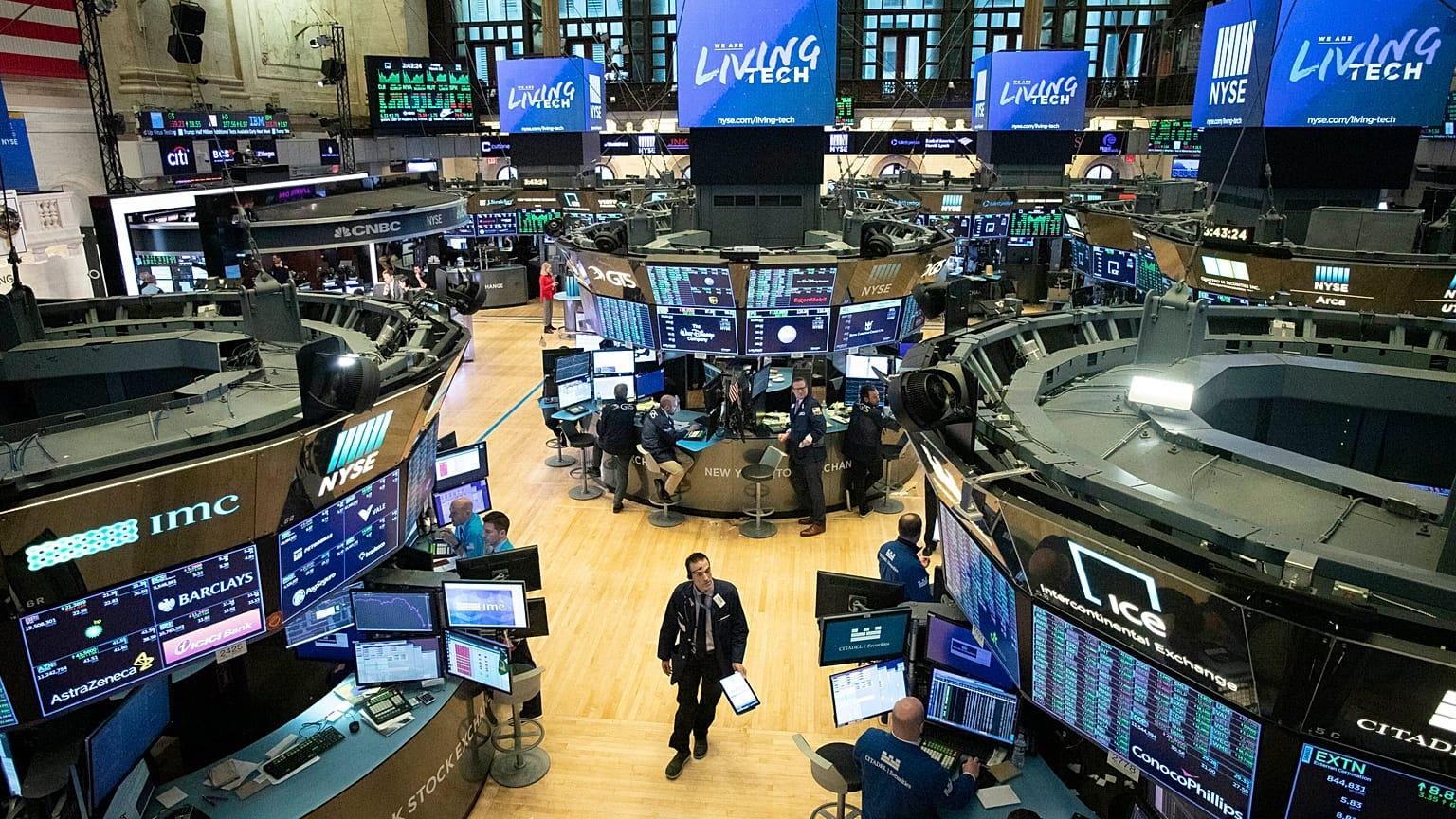
The Depository Trust & Clearing Corporation, better known as the DTCC, has reportedly launched a blockchain tokenization service supporting selected stocks, exchange-traded funds, and Treasury securities.
The initiative could make eligible securities representing approximately $30 trillion in market value available for tokenization.
Thirty trillion.
Not million. Not billion.
Trillion.
But let’s be clear about what that means.
It doesn’t mean $30 trillion has already moved onto a blockchain.
It means an enormous pool of securities could potentially become eligible for tokenized representation and related services.
That’s still a big deal.
DTCC sits at the center of the American securities market’s clearing and settlement infrastructure.
If an institution like that is building blockchain-based capabilities, we’re talking about the technology becoming part of mainstream financial infrastructure.
And that’s a much bigger story than whether some random memecoin goes up 20% this afternoon.
We’ve been discussing tokenization for years.
Now we’re watching major institutions move beyond the concept and toward actual infrastructure.
━━━━━━━━━━━━━━━━━━━━━━━━━━━━━━━━
Utah Files Criminal Charges Against Kalshi Executives

Utah prosecutors have reportedly filed 14 criminal charges involving prediction-market platform Kalshi and its co-founders, alleging violations of state gambling laws.
This could become a major legal fight.
Kalshi’s argument is that its event contracts are federally regulated derivatives overseen by the Commodity Futures Trading Commission, or CFTC.
The state’s position is that certain activities amount to gambling and fall under state gambling laws.
And personally, I have a hard time looking at some of these prediction-market products and not seeing gambling.
You can call them event contracts. You can call them financial derivatives.
But if somebody is putting money on whether a particular event happens and collecting a payout based on the outcome, I think there’s a legitimate question about where financial speculation ends and gambling begins.
Now, that doesn’t settle the legal issue.
Federal derivatives law and state gambling law are different regulatory systems, and which one controls is exactly what these disputes are about.
I wouldn’t be surprised if the broader legal question eventually reaches the Supreme Court.
My prediction is that prediction-market companies could face much tougher gambling-related regulation over time.
But that’s my prediction, not an established legal outcome.
And I’ve certainly been wrong before.
━━━━━━━━━━━━━━━━━━━━━━━━━━━━━━━━
Crypto Prices
Here’s where the cryptocurrency market stands this morning.
Bitcoin: $80,000, down 1.4%
Ethereum: $2,320, down 1.4%
BNB: $738, down 2.7%
XRP: $1.28, down 2.5%
Solana: $100, down 2.3%
TRON: $0.33, down approximately 0.14%
Hyperliquid: $87.60, up 7.8%
Zcash: $1,267, down 2.5%
Total market cap: $2.68 trillion, down 1.4%
Fear & Greed Index: 43, Neutral
Hyperliquid is one of the stronger performers today, while most of the major cryptocurrencies are moving lower.
━━━━━━━━━━━━━━━━━━━━━━━━━━━━━━━━
My Take
There are three things I’m watching.
First, Bitcoin needs to show that it can hold this $79,000 to $80,000 region.
We’ve had positive ETF inflows, but the price is still struggling. If support continues holding, that’s encouraging. If it breaks decisively, we’re going to have to reassess the downside.
Second, I want to see what happens with these AI-assisted security discoveries.
We’ve gone from talking about AI theoretically threatening cryptocurrency to seeing researchers use it to identify actual software vulnerabilities.
That’s not proof that Bitcoin’s cryptography is broken.
But it does mean the tools available to both security researchers and attackers are changing.
And third, I think the DTCC story deserves more attention than it’s probably going to get.
We’re talking about infrastructure that could eventually support tokenized versions of securities from a market worth tens of trillions of dollars.
That’s a serious institutional development.
Meanwhile, Chamath and Jason Calacanis are making bearish Bitcoin predictions, and everybody on X is arguing about who’s going to be right.
Maybe Bitcoin goes to $57,000. Maybe it reaches another all-time high. Nobody knows.
I’d rather watch what the market is actually doing than make an investment decision because somebody with a popular podcast posted something provocative.
Thanks again to Danny, David Sanchez, and Obsidian Enoch for the comments.
We’ll be watching Bitcoin’s support, the next round of inflation data, ETF flows, and any additional Bitcoin Core security disclosures.
My name is Matt. I’ll see you tomorrow.
Happy HODLing
Three straight days of spot Bitcoin ETF inflows, about $424 million this week, alongside price still stuck near $80,000 is a useful reminder that flows alone don't guarantee a move higher. The support region around $79,000 holding so far is the level to watch.